
About Tia
A lifetime with horses. A practice built around helping them feel better.
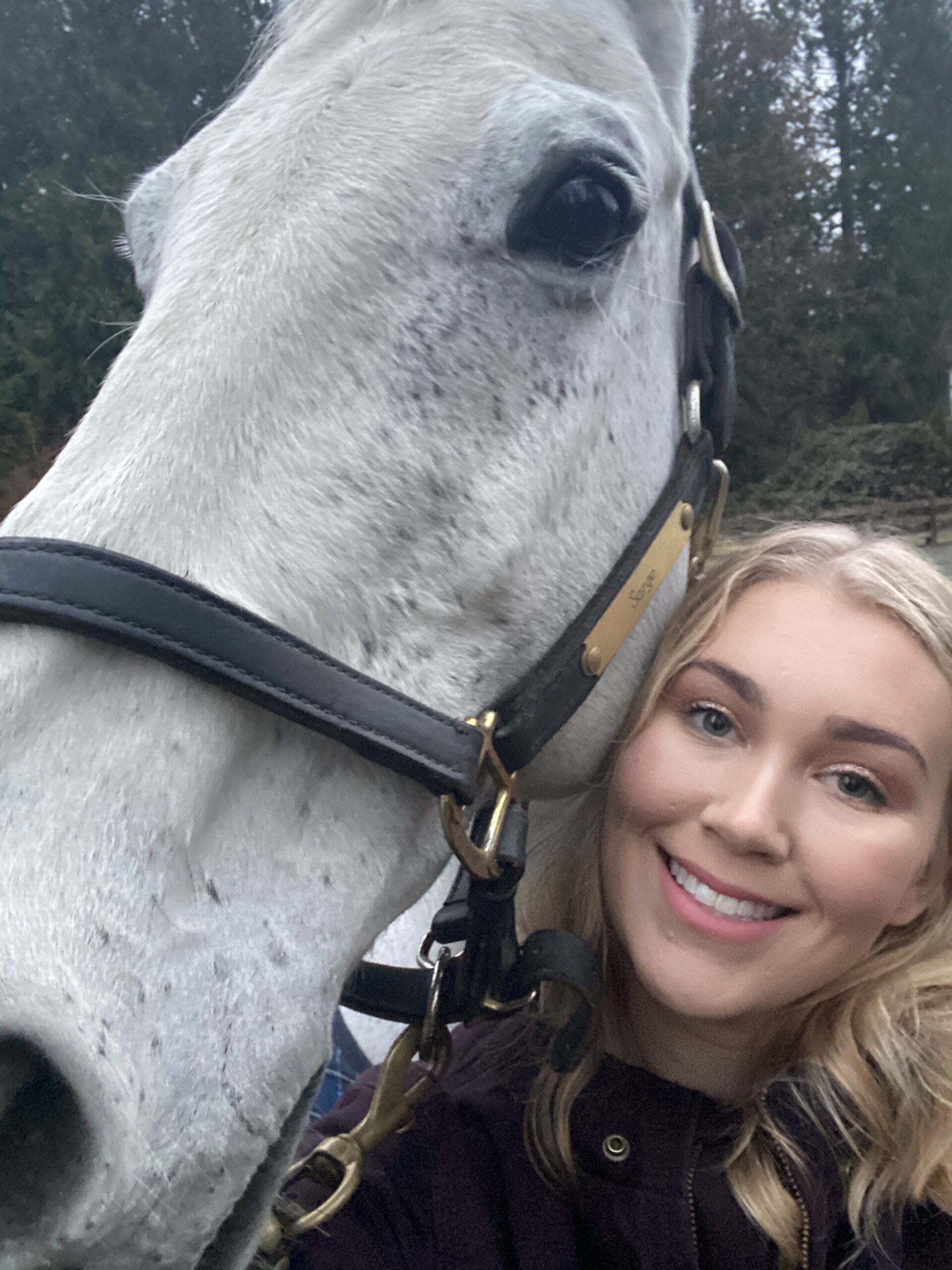
Horses have been a part of Tia’s life since childhood. She started riding young and grew up immersed in the horse world, eventually training in hunter/jumpers and later transitioning into eventing.
That foundation shaped how she works today: with structure, feel, and a full-body view of movement. After college, Tia worked as a veterinary assistant/technician, which deepened her respect for good medicine, good diagnostics, and team-based care.
She found equine bodywork through her own horse’s recovery, and it clicked immediately. Now, she focuses on helping horses move more comfortably, release compensation patterns, and feel better in their everyday work and lives.
Connection
Quiet presence matters.
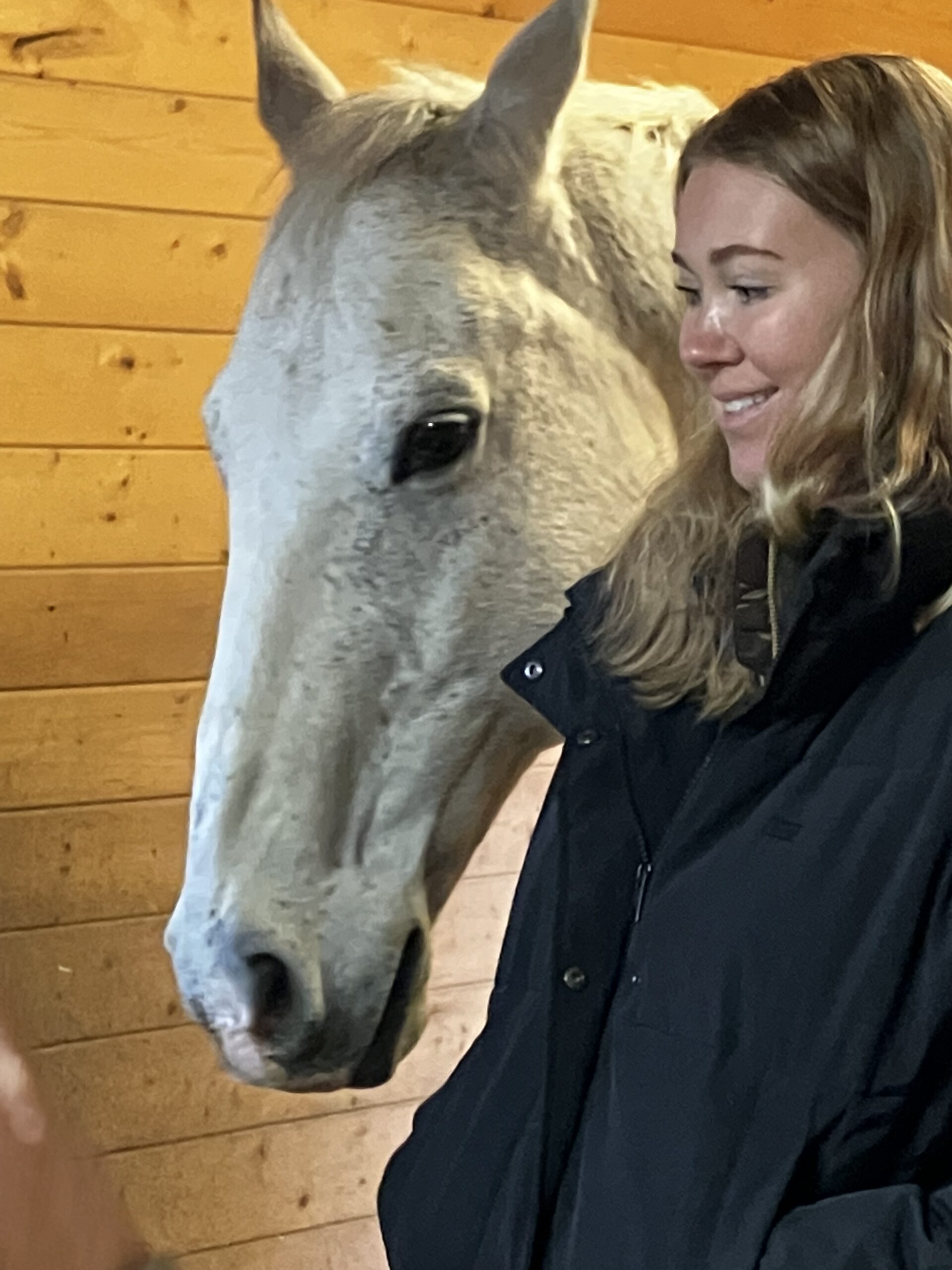
The best bodywork happens when the horse feels safe. That means patience, clear boundaries, and listening first.
Sessions are never about forcing a result. They’re about meeting the horse where they are, letting the nervous system settle, and helping the body reorganize from the inside out.
Education & Training
Solid foundations in science, bodywork, and whole-horse biomechanics.
Academic Background
- B.S. in Animal Science / Pre-Vet · Oregon State University
- Veterinary Assistant / Technician Training · PIMA
Large Animal Massage Certification
- Large Animal Maintenance & Performance Massage · Northwest School of Animal Massage
Formal hands-on education in large animal massage, anatomy, physiology, biomechanics, and therapeutic bodywork.
International Diploma in Equine Osteopathy
- International Diploma in Equine Osteopathy · London College of Animal Osteopathy
Advanced education in equine anatomy, biomechanics, osteopathic assessment, and whole-horse functional patterns.
Additional Professional Training
- MagnaWave PEMF Certified Practitioner
- Equi-Tape Certified Practitioner
- NBCAAM Certified
Continuing Education
Always learning, for the horses.
Equine bodywork is always evolving, and Tia is committed to evolving with it. She continues to invest in education focused on:
- Equine biomechanics and posture-based assessment
- Fascia, myofascial patterns, and whole-horse movement
- Comfort and mobility strategies for senior and retired horses
- Integrative approaches that complement veterinary, farrier, and chiropractic care