
Why seasons matter
Horses do not respond to seasons in a subtle way. Their bodies shift with temperature, footing, workload and daylight. Each season puts different demands on soft tissue and fascia, and bodywork helps keep the horse balanced through those transitions.
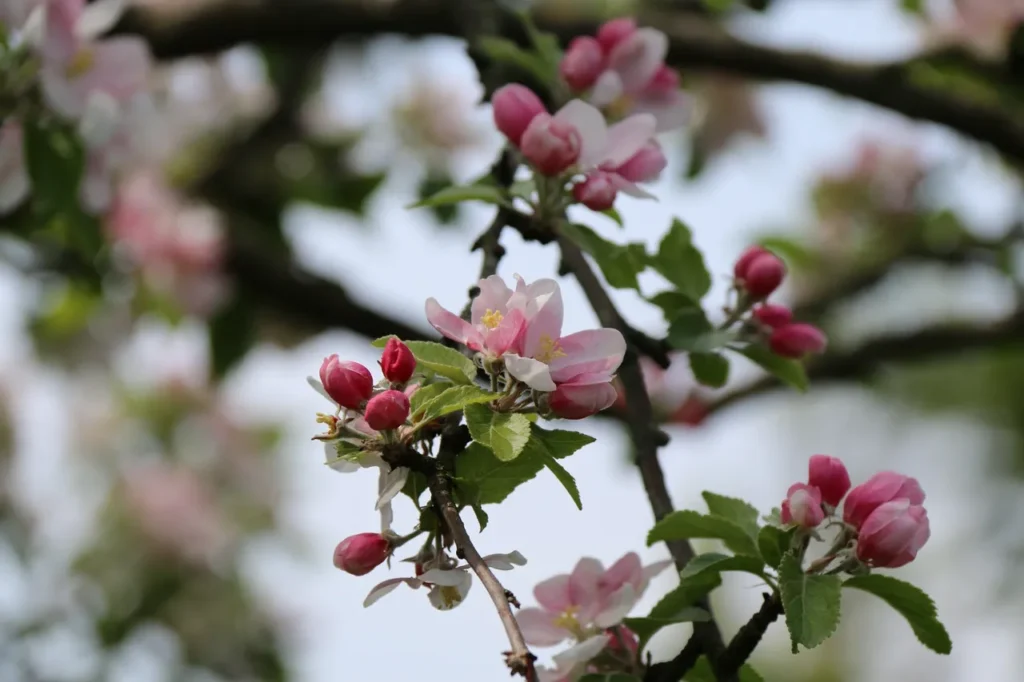
Spring
More work and more movement.
Horses come out of winter stiff, tight through the topline and sometimes a little uneven. Spring is about reconditioning.
What to support:
- Stiff necks and toplines
- Sore backs from returning to work
- Posture changes from winter turnout
- Freshness and tension through the poll
Spring is the time for gentle resets and careful strengthening.
Summer
More riding, more sweat, more repetitive strain.
Horses often get tight through shoulders, hips and the ribcage from schooling, lessons and showing.
What to support:
- Hydration and muscle suppleness
- Tight shoulders from jumping or bending work
- SI and glute tension from increased activity
- Travel stiffness
Bodywork helps soften the areas that get overused.
Fall
The slowdown season.
Workload changes again, temperatures drop and horses brace more in the cold.
What to support:
- Preventing early winter stiffness
- Maintaining topline during reduced work
- Loosening fascia as the weather cools
- Supporting joints with soft tissue balance
Routine bodywork during fall prevents winter tightness.
Winter
Cold muscles, limited daylight, stiffer movement.
Cold weather makes fascia less elastic. Horses brace, shorten stride and can become tight quickly.
What to support:
- Warm-up stiffness
- Cold-day compensation
- Topline tightness from limited riding
- SI and back tension
Winter is about gentle maintenance to keep the horse comfortable until spring.
Bottom line
Seasons change everything. Paying attention to small shifts early helps your horse stay more comfortable, balanced and willing all year.