
Why this matters
Saddle and girth pressure may not look dramatic, but fascia feels everything. Even small areas of compression create restrictions that change how a horse stands, moves and carries a rider. When the tack is wrong, the fascia adapts by tightening, guarding and pulling other areas out of balance.
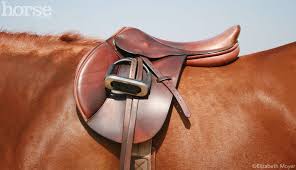
How saddle fit affects fascia
Wither and shoulder restrictions
A saddle that is too narrow or sits too far forward compresses the fascia around the shoulder blade. This blocks freedom in the front end and shortens the stride.
Back and topline tension
Bridging saddles and saddles with uneven panels create hotspots. Fascia tightens to protect the area, which leads to bracing, hollowing and dropped posture.
Thoracic sling collapse
When the saddle sits heavy behind the withers, the sternum drops and the ribcage cannot lift. This affects balance, transitions and overall straightness.
Asymmetry
Even a slight imbalance in tree width or flocking creates rotational patterns. One side gets tight. The opposite side overworks to compensate.
How girth fit affects fascia
Sternum pressure
A girth that is too tight or poorly shaped compresses the underside fascia and restricts breathing, core engagement and shoulder freedom.
Elbow pinching
Short girths or straight-cut girths can rub the horse’s elbow and tighten the pectoral fascia. This changes stride length and can cause resentment under saddle.
Ribcage compression
Tension in the girth area pulls the ribcage inward. This can create a dropped back, uneven bend or mild panic in sensitive horses.
Signs tack is affecting fascia
- Shortened stride in front
- Reluctance to move forward
- Inconsistent bend
- Ears back during saddling
- Sensitivity along the sternum
- Hollowing or tightness when mounting
- Girthiness
- White hairs or dry spots under the saddle
How bodywork helps
Bodywork releases the fascial restrictions that tack pressure creates. It softens the sternum, shoulders and topline so the horse can carry the saddle without bracing. After a session, many horses regain freedom of movement and become more willing under saddle.
What you can do
- Check saddle balance regularly
- Use shaped or anatomical girths
- Give the horse time to warm up before tightening
- Work with a qualified fitter
- Watch posture changes as the horse gains or loses muscle
Bottom line
Tack fit shapes how a horse feels every single ride. When fascia is comfortable, the horse moves better everywhere.